What is the Bobath Approach?

The Evolution of Bobath

The Bobath Approach, often referred to as neurodevelopmental treatment, is a problem-solving method for individuals affected by neurological damage, such as those with cerebral palsy or following a stroke. Established by Berta and Karel Bobath in the mid-20th century, this recognised concept revolutionised how therapists understand and address movement and posture disorders.

At its core, the Bobath method diverged from rigid orthopaedic interventions, centring instead on a dynamic appreciation of neurodevelopmental processes and motor control adaptation in response to brain lesions. Today, BABTT stands as a leading advocate for the Bobath Approach in the UK, supporting a multidisciplinary network of professionals dedicated to its efficacy.
About Our Membership 

Apply for BABTT Membership 

 ​


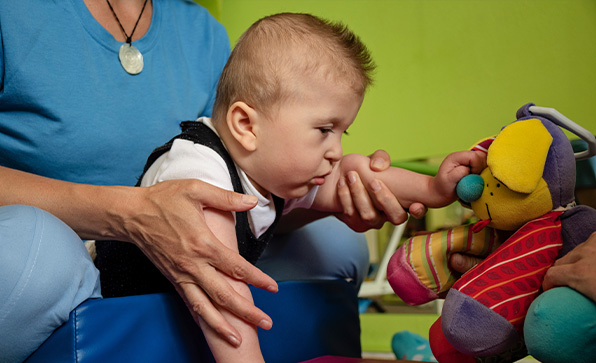
a young child reaching for a colorful stuffed toy while being assisted by an adult in a playful environment promoting developmental growth and milestones for toddlers aged 9 months

Origins of the Bobath Concept

The Bobath concept, developed in the mid-20th century by Berta and Karel Bobath, began with careful observation of abnormal movement patterns in individuals with cerebral palsy and stroke. At the time, it was revolutionary, moving away from rigid orthopaedic interventions toward a dynamic understanding of neurodevelopment and motor control. This shift laid the groundwork for a more holistic approach to neurological rehabilitation that emphasises individualised assessment and treatment.

Evolution into a Clinical Reasoning Framework

Over the decades, the Bobath concept evolved from a technique-based model into the Bobath Clinical Reasoning Framework (BCRF), formalised by Margaret Mayston and colleagues in 2024. The BCRF uses a systems-based approach to clinical reasoning, helping therapists consider the complex interaction between body functions, activities, participation, and contextual factors.

By integrating neuroscience, sensorimotor development, cognition, and family dynamics, it guides the design of holistic, personalised interventions while fostering a shared language across disciplines and improving collaborative care.

minimalist illustration of a human head with speech bubbles indicating communication and thought 8 key concepts of conversation

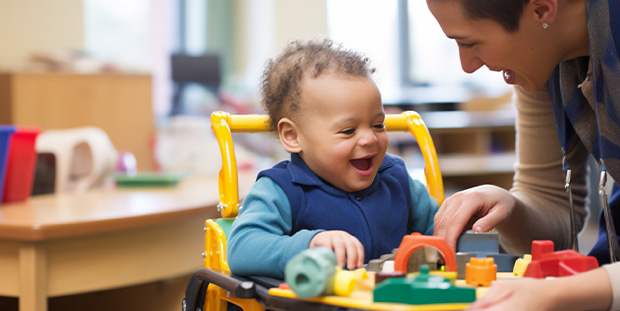
 happy child playing with colorful toys and caregiver in classroom engaging in playful learning 7 fun activities

Contemporary Practice and Ongoing Adaptation

Today, the Bobath concept continues to adapt to advances in neuroscience and rehabilitation science. It remains focused on optimising functional movement, participation, and quality of life for individuals with neurological conditions.

By combining its foundational principles with modern evidence, the approach ensures that therapeutic interventions are both scientifically informed and deeply responsive to the lived experience of each patient.


Who Can Train to Practice Bobath

At BABTT, we welcome applications from professionals who wish to undertake Bobath training, including:

glowing digital brain held in hands symbolizing creativity innovation and 6 cognitive functions

Physiotherapists

Specialising in movement analysis and hands‑on neurodevelopmental treatment.

line drawing of a person smiling with five stars representing quality and service

Occupational Therapists

Supporting independence with a focus on daily living activities and functional outcomes through the Bobath Approach.


empty image placeholder representing a blank space or absence of content suitable for minimalistic design simplicity and modern aesthetics

Speech and Language Therapists

 Addressing communication and feeding needs in children and adults with neurological conditions.

a walker with three wheels for mobility assistance and support

Medical Doctors

Enhancing knowledge and multidisciplinary collaboration in cerebral palsy and other neurological disorders.

 Our membership is open to those seeking thorough education and professional recognition in Bobath-based neurorehabilitation.


Benefits of Bobath

Bobath therapy explained
The modern Bobath Approach provides a structured, person-centred management plan by integrating insights from neuroscience, sensorimotor development, cognition, and family dynamics.

The result
Neurodevelopmental treatment for cerebral palsy and other neurological conditions that addresses the unique lived experience of each patient. Within BABTT, the approach focuses on functional improvements, enabling greater independence, mobility, and quality of life.

 By fostering collaboration among multidisciplinary teams, the Bobath method for neurological conditions helps refine clinical reasoning, enhance communication, and ensure that each intervention is underpinned by evidence and patient goals. This sets a standard for effective, responsive care in Bobath therapy in the UK.


FAQS

What is the Bobath Approach?

The Bobath Approach is a neurodevelopmental treatment for individuals with neurological impairments, such as cerebral palsy and stroke, focusing on movement and postural control.

Who developed the Bobath Concept?

The Bobath Concept was developed in the mid-20th century by Dr Karel Bobath and his wife, physiotherapist Berta Bobath.

How does the Bobath Approach help people with cerebral palsy?

Bobath therapy uses personalised assessment and interventions aimed at improving functional movement, postural control, and quality of life in children and adults with cerebral palsy.

What conditions can benefit from Bobath-based therapy?

Bobath-based therapy benefits people with neurological conditions, such as cerebral palsy, post-stroke impairments, and other movement disorders resulting from central nervous system lesions.

What is the difference between Bobath and neurodevelopmental treatment (NDT)?

The Bobath Approach is synonymous with neurodevelopmental treatment (NDT) and both refer to problem-solving frameworks for treating movement and posture issues due to neurological conditions.

Is Bobath therapy suitable for adults as well as children?

Yes, Bobath therapy is suitable for both children and adults affected by neurological conditions, including those with cerebral palsy or who have had a stroke.

Where can I find accredited Bobath courses or training?

Accredited Bobath courses and training in the UK are offered through BABTT and are open to physiotherapists, occupational therapists, speech and language therapists, and medical doctors.


medical professional with a face mask and a plus symbol representing healthcare services and essential care


colorful painted hands with smiley faces representing joy and creativity 4 fun activities

Ready to Grow Your Expertise in Bobath Therapy?

Start your journey with BABTT today and connect with leading experts in Bobath therapy across the UK. Become part of a professional association driven by knowledge, shared learning, and excellence in cerebral palsy treatment.

If you're interested in membership, training, or have questions contact us on:

 enquiries@babtt.com 

Apply for Membership